
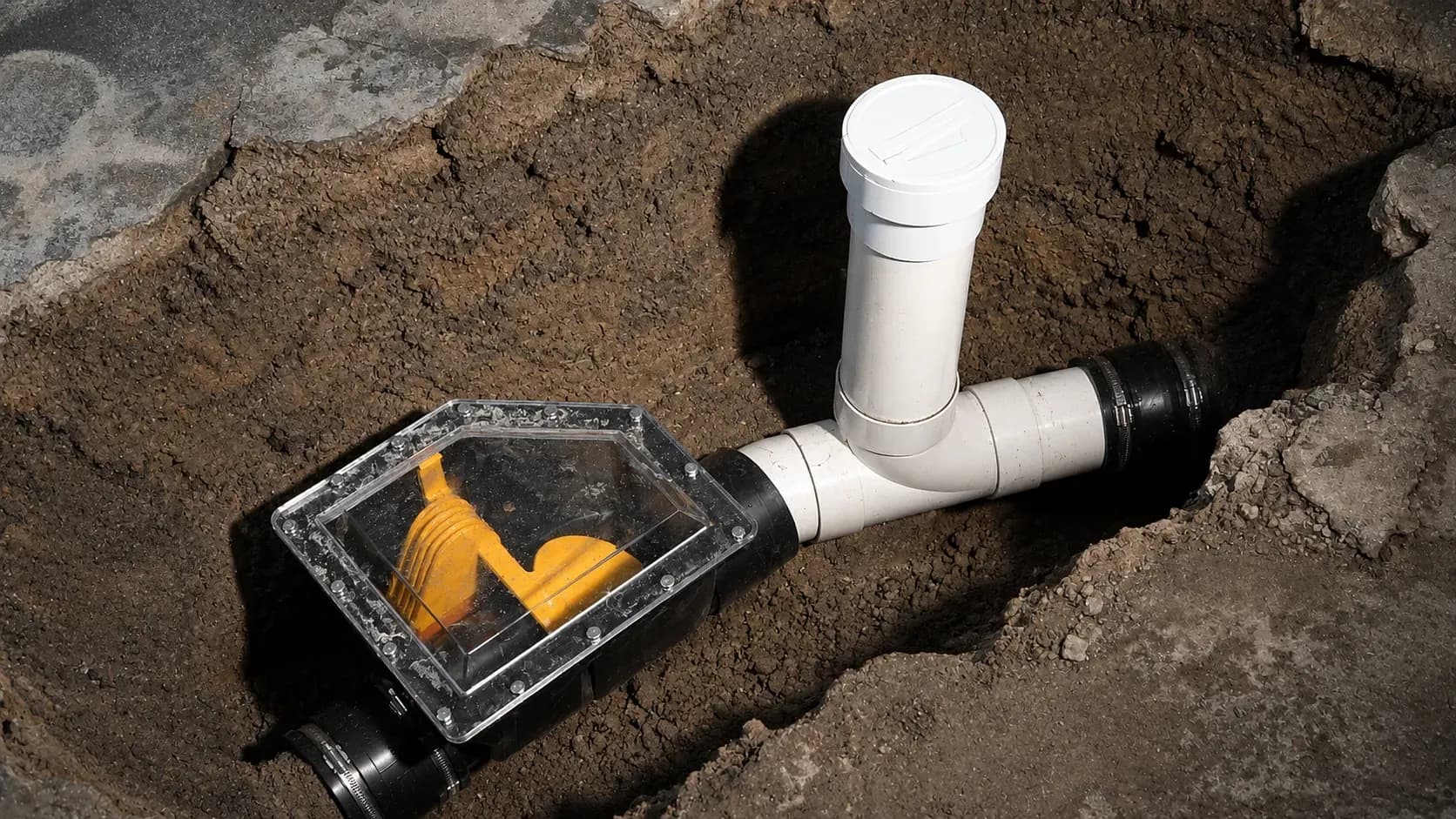
Backwater Valves7 min read
Backwater Valve Installation Cost
A backwater valve is one of the most effective ways to protect a basement from sewer backup during heavy rain.
New Customers Get 15% Off Your First Service
Sewer Backups · 7 min read
A sewer backup is one of the most disruptive problems a homeowner can face, and it often starts with small warning signs that are easy to miss. At Drain Ridge, we handle drain cleaning and sewer line repair for homeowners across London and Niagara. This guide covers the early signs of a sewer line problem, the most common causes of recurring clogs, the repair options available, and what each one typically costs.
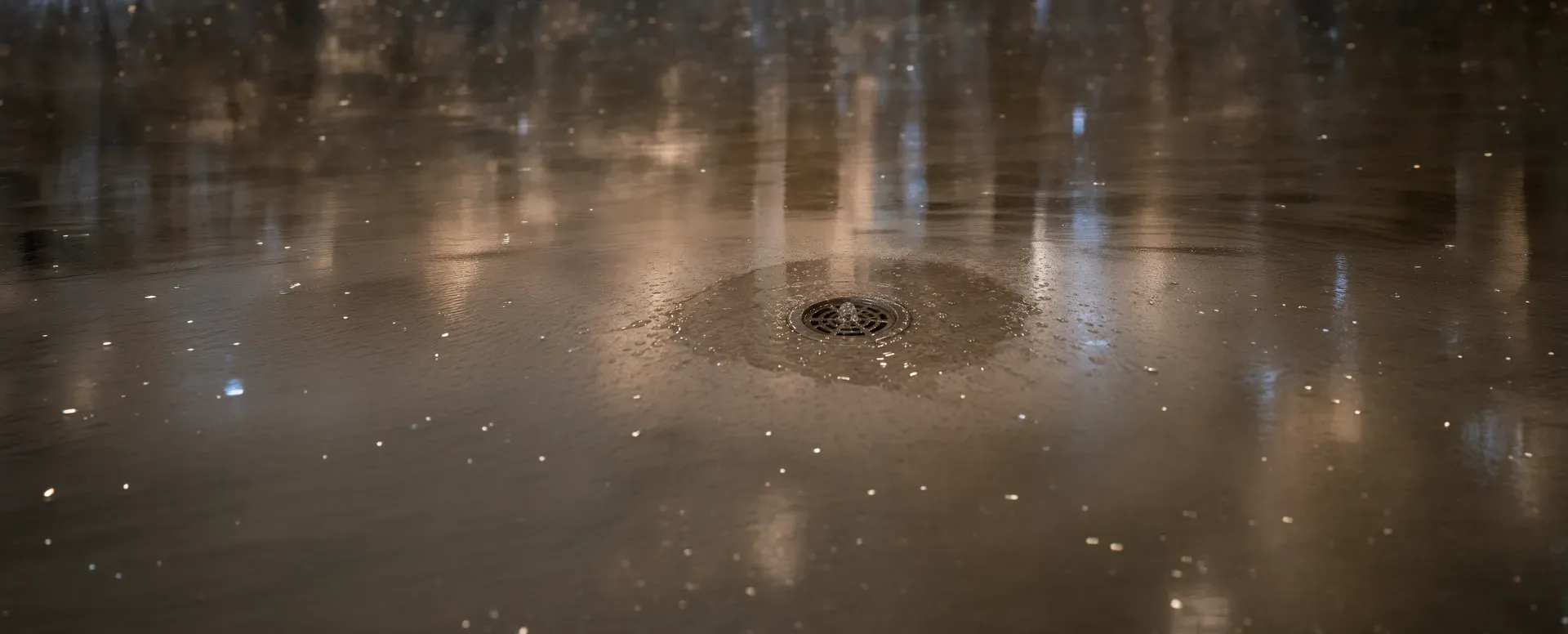
A single slow sink usually points to a local clog. When several fixtures are affected at once, the problem is more likely in the main sewer line that carries all wastewater out of the house.
Floor drain backing up: The basement floor drain is the lowest point in the plumbing system, so it is often the first place wastewater appears. Water rising from the floor drain after laundry or a shower is a strong sign of a blockage further down the line.
Several slow drains at once: When sinks, tubs, and toilets all drain slowly, the restriction is usually in the shared main line rather than in individual pipes.
Gurgling sounds: Air trapped by a partial blockage can make toilets and drains gurgle when other fixtures are used.
Sewage odours: A persistent sewer smell in the basement can mean wastewater is not flowing away properly or a pipe is damaged.
A clog that keeps coming back after cleaning usually has a physical cause inside the pipe. Clearing the blockage restores flow, but the problem returns until the cause is repaired.
Tree roots in the sewer line: Roots are drawn to the moisture inside sewer pipes and can enter through small cracks and loose joints. Once inside, they grow and catch grease, paper, and debris. This is especially common in older clay sewer lines.
Grease and wipes: Cooking grease hardens as it cools and coats the inside of the pipe. Wipes and other items labelled as flushable do not break down like toilet paper, so they collect on the grease and form blockages.
Sagging or damaged pipe: A section of pipe that has settled creates a low spot where waste collects. Cracked, offset, or collapsed sections can also trap debris.
Municipal sewer overload: During heavy storms, the municipal sewer can fill beyond capacity and push sewage back into homes. This type of backup is not caused by a clog in your pipe, and the main protection against it is a backwater valve.
Stop using water in the house, including toilets, sinks, and appliances, because any water that goes down the drain can add to the backup. Keep children and pets away from the affected area, because sewage contains bacteria and should not be handled without protection.
Avoid standing water near electrical outlets or appliances. Do not pour chemical drain cleaners into a backed-up drain, because they rarely clear a main line blockage and can damage pipes. Contact your insurance provider as soon as possible, and call a drain professional to find the cause.
A sewer camera inspection is the most reliable way to find out what is happening inside the line. A small waterproof camera is fed through the pipe from a cleanout or drain, and the technician watches the live video to locate roots, cracks, sags, or blockages.
The camera also shows how deep and how far from the house the problem is. This information decides whether cleaning is enough or a repair is needed, and it prevents unnecessary digging.
Drain snaking: A motorized cable with a cutting head breaks through clogs and cuts roots inside the pipe. Snaking is effective for most blockages and is often combined with a camera inspection to confirm the line is clear.
Hydro jetting: A high-pressure stream of water scours the inside of the pipe and removes grease, sludge, and root fragments. It cleans the pipe walls more thoroughly than snaking, which makes it a common choice for sewer line cleaning and helps slow the return of buildup.
Spot repair: When the camera shows damage in one section, that part of the line can be excavated and replaced without replacing the entire pipe.
Sewer line replacement: When the pipe has multiple breaks, severe root intrusion, or a collapse, replacing the line is typically the long-term solution.
At Drain Ridge, the price of each service is confirmed after an inspection and free estimate. The typical ranges are:
| Service | Typical cost |
|---|---|
| Sewer camera inspection | $200 |
| Drain snaking with camera inspection | $350 |
| Hydro jetting | $1,000 to $1,500 |
| Sewer line replacement | $100 to $200 per linear foot |
| Backwater valve installation | $2,500 to $3,300 |
The sewer camera inspection cost is often the best starting point, because it shows which of the other services the line needs. The sewer line replacement cost depends on the length of the line, the depth of the pipe, and what sits above it, such as a driveway, walkway, or landscaping.
Many older neighbourhoods in London have mature trees and ageing clay or cast-iron sewer lines, which is a common combination behind root blockages. Drain cleaning in London, Ontario is often the first step, but a clog that returns within weeks usually needs a closer look.
When cleaning no longer holds, a camera inspection shows whether sewer repair in London, Ontario is needed and how much of the line is affected.
Across the Niagara Region, many older homes deal with recurring clogs and basement flooding after storms. Drain cleaning in St. Catharines is often needed in spring and fall, when heavy rain and root growth put extra strain on older lines.
When the camera shows cracks or a sagging section, drain repair in St. Catharines is planned around the exact location of the damage. The same approach applies to drain cleaning in Niagara Falls, and to drain repair in Niagara Falls when a line needs more than cleaning.
A recurring clog is a sign that something inside the line needs attention. Drain Ridge serves homeowners across London and Niagara with upfront pricing, licensed and insured technicians, and 24/7 emergency service. To request a free estimate, call us at (289) 906-3479. Your estimate will explain what the camera found and what the repair costs before any work begins.
A backwater valve is one of the most effective ways to protect a basement from sewer backup during heavy rain.
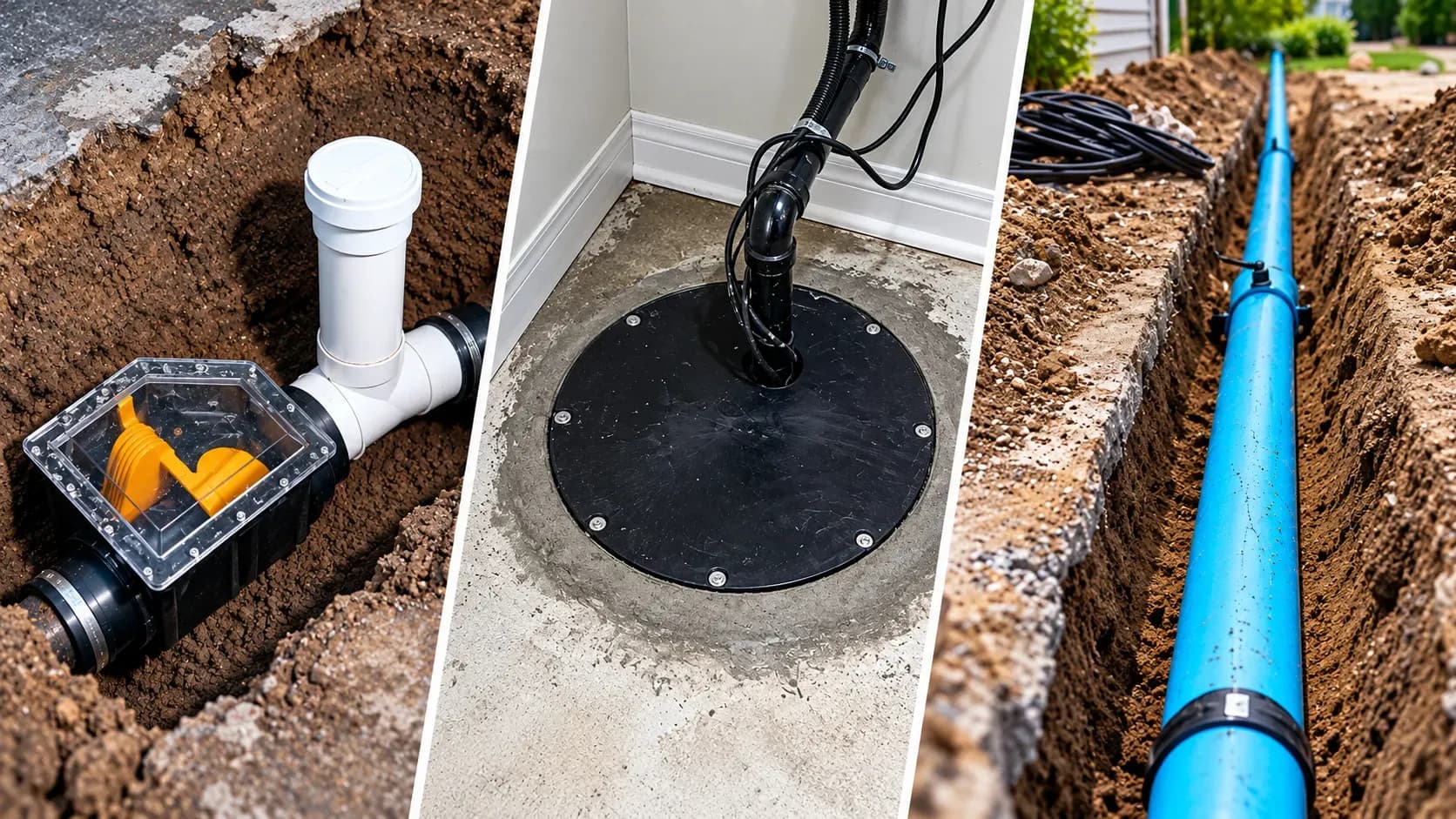
Basement water problems usually come from one of two sources: sewage pushing back from the municipal sewer, or groundwater building up around the foundation.
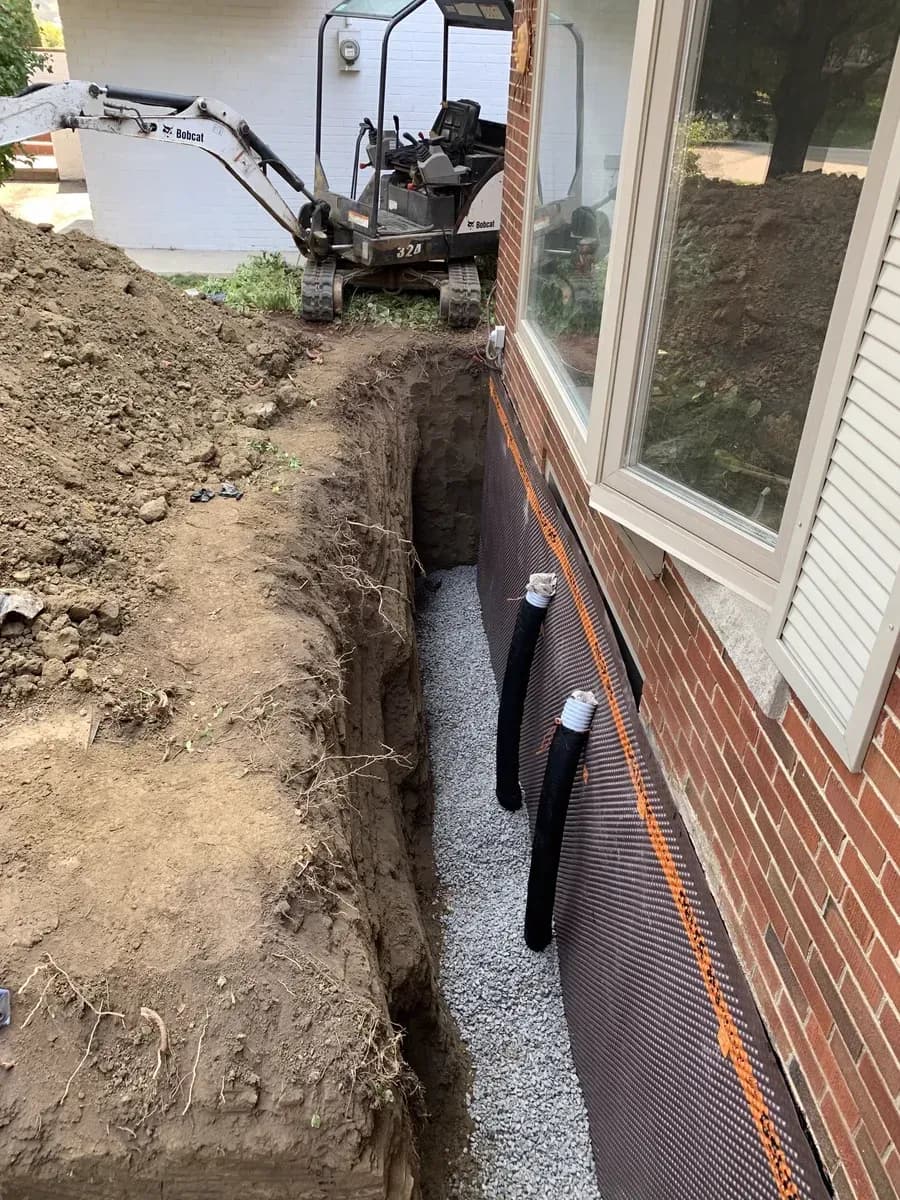
A leaky basement is one of the most common problems in older homes, and it rarely fixes itself.
Fill out the form below and we'll get back to you shortly.Fill out the form and we'll get back to you shortly.
Or call us directly at
+1 (289) 906 3479
The most common causes are blockages from roots, grease, or wipes, and damaged sections of pipe. During heavy storms, an overloaded municipal sewer can also push sewage back into the house and cause basement flooding.
A floor drain that backs up repeatedly usually points to a blockage or damage in the main sewer line. We recommend a camera inspection to find the cause instead of clearing the same clog again.
Yes, snaking and hydro jetting can cut and clear roots from the line. If the pipe is badly cracked, roots will return, and we recommend repairing the damaged section.
At Drain Ridge, a sewer camera inspection costs $200. Drain snaking combined with a camera inspection costs $350.
Yes, Drain Ridge offers 24/7 emergency service across London and Niagara. Call us at (289) 906-3479, and we will get to you as quickly as possible.